Tiny Paint Chips On Car? (Here’s What To Do)

It always seems to happen at the worst time. You’ve just washed your car, it’s looking shiny, the sun hits it just right, and there it is. A tiny chip in the paint staring back at you. 

They’re small, but man, do they stand out. 

The good news is that they’re usually easy to handle, and you don’t need to be a professional detailer to make them look better.

In this post, we’ll show you how to fix tiny paint chips on your car like a PRO.

What Causes Tiny Paint Chips On Cars?

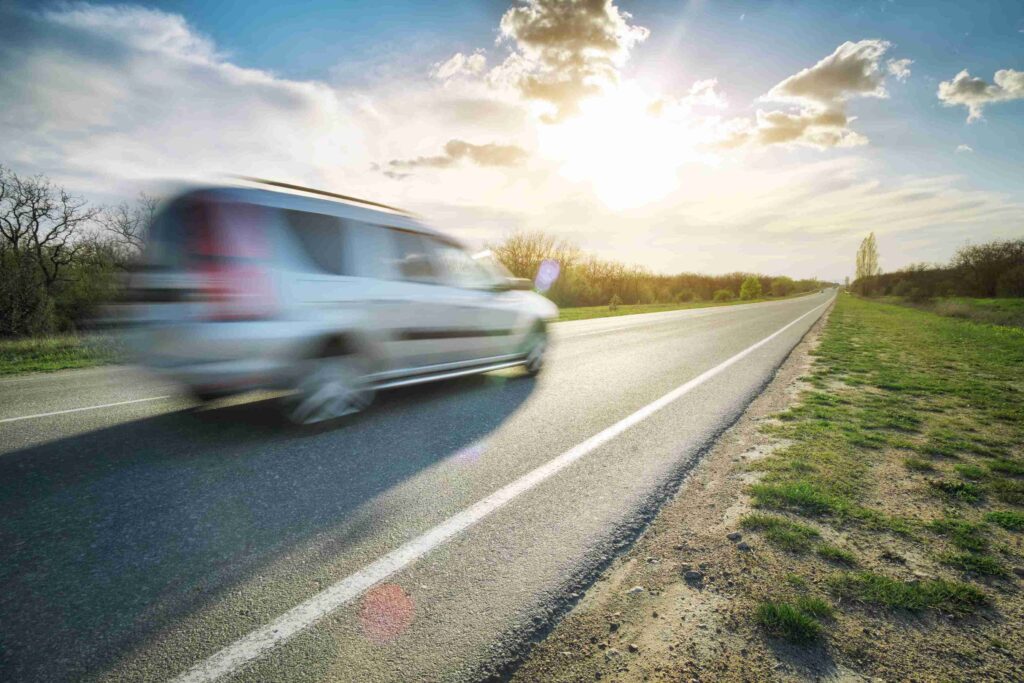
Tiny paint chips don’t just appear out of nowhere. They’re usually the result of everyday driving, and some parts of your car are simply more vulnerable than others. The hood, bumper, and doors tend to get hit the most, and over time, little marks add up. 

Here’s what causes these tiny paint chips on car:

  • Road debris like small rocks and gravel
  • Sunlight breaking down the clear coat
  • Rain, snow, and road salt wearing at the finish
  • Shopping carts or car doors bumping into yours
  • Normal wear and tear from everyday driving

The main thing to remember is that chips are normal. Every car gets them at some point. What matters is how quickly you deal with them.
What Causes Tiny Paint Chips On Cars

Also Read: How Much Does Paintless Dent Removal Cost?

How To Fix Tiny Paint Chips On Car

The good news is you don’t need a full auto body shop to take care of small chips. 

Here’s what to do:

#1 Clean The Area

Cleaning might sound obvious, but it’s the foundation of a good repair. 

If there’s dirt, wax, or road grime left in or around the chip, the paint won’t bond properly. 

Wash the tiny paint chip spot with soap and water, dry it thoroughly, and then wipe it with rubbing alcohol or a wax remover. 

This ensures you’re working on a fresh, contaminant-free surface that will actually hold paint the way it should.

#2 Check For Rust

Once the area’s clean, take a close look. 

If the chip only scratched the clear coat or paint, you’re in luck – no rust worries. But if you see bare metal, look for tiny orange or brown spots. Even the smallest trace of rust can spread under new paint. 

If you spot any, gently sand it away with very fine sandpaper or use a rust remover designed for cars. 

Getting rid of it now prevents a bigger problem down the road.

Also Read: Do Suspension Springs Wear Out

#3 Apply Primer (If Needed)

Not all chips need primer, but for deeper ones that go down to metal, it’s an important step. 

Primer helps the color coat stick and adds an extra shield against moisture. 

Apply just a tiny dot using a toothpick or fine brush – enough to cover the exposed metal without overflowing the chip. Let it dry completely before moving on. 

Rushing this step can mess up the finish.

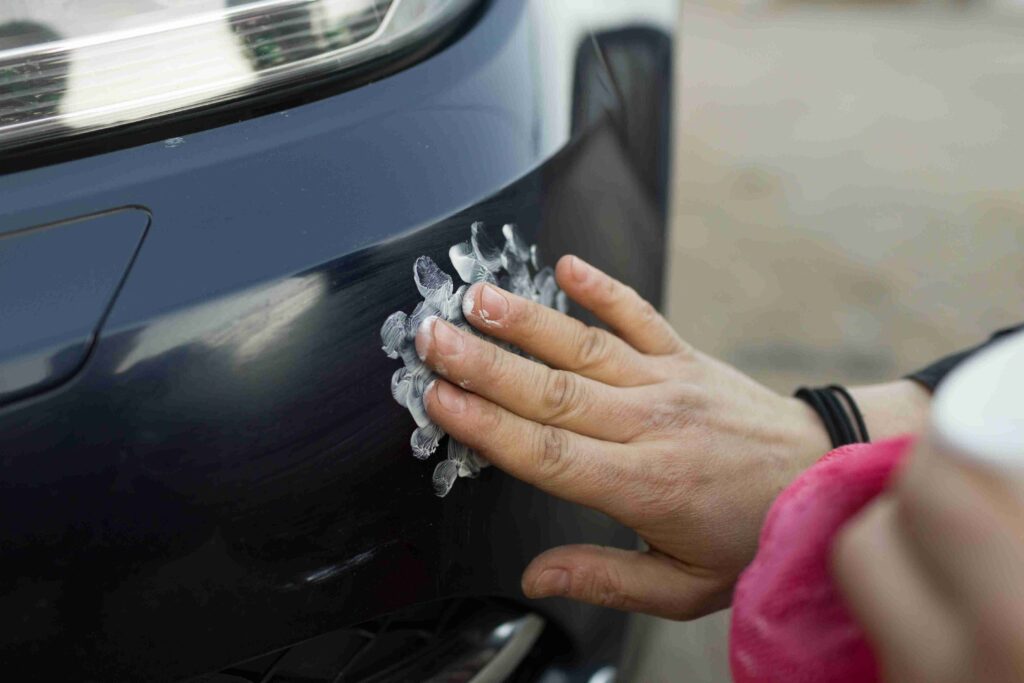
#4 Dab On Touch-Up Paint

This is the part where you bring the color back. 

Use factory-matched touch-up paint so the repair blends with the rest of the car. Apply the paint in thin layers, letting each one dry before adding more. It’s better to build it up slowly than glob it all at once. 

The goal is to fill the chip just enough so it’s level with the surrounding surface. 

Done carefully, this makes the repair much less noticeable.
How To Fix Tiny Paint Chips On Car

#5 Add Clear Coat

Touch-up paint restores the color, but clear coat brings back the shine and seals everything in. 

Plus, it also adds a protective layer so the paint doesn’t chip again as easily. 

Apply a small amount over the dried touch-up paint and let it cure. 

Like the color coat, it’s best to keep the layers thin and controlled. Too much clear coat at once can create bumps or uneven spots.

Also Read: How Much Does It Cost To Repaint A Car?

#6 Smooth It Out (Optional)

If you want that “like it never happened” look, smoothing out the repair is the final touch. 

Once the clear coat has dried, lightly wet sand the area with ultra-fine sandpaper, then polish it to restore shine. This step takes a steady hand, but it helps the repair blend perfectly into the surrounding paint. 

If you’re nervous about sanding, it’s totally fine to skip. 

Even without this step, the chip will be sealed and protected.

When To Call In The Pros

DIY is great for a few small chips. But sometimes it makes more sense to let a body shop handle it. 

If your hood looks like it’s been peppered with confetti, or if the chips are in very noticeable spots, professional repair will give you a cleaner finish.

Shops can respray panels, blend paint perfectly, and give you that “straight from the factory” look. It costs more, but it can be worth it if you’re dealing with a lot of damage or if you’re prepping your car for resale.

Another reason to call the pros is if the chips are large, deep, or already showing rust that’s spread beyond the surface. Rust repair is very tricky and not DIY friendly. 

Once it gets under the paint, it usually needs more than a dab of touch-up paint.

Bottom Line

You don’t need a ton of tools or experience to fix tiny paint chips on cars. A clean surface, a bit of touch-up paint, and a clear coat can make a chip disappear or at least keep it from getting worse.

The key is to act sooner rather than later. Small chips are quick fixes. Big ones can turn into expensive paint jobs.

And while it’s perfectly fine to do a DIY repair for a handful of chips, don’t hesitate to call a pro if your car’s covered in them or if you want a flawless finish.

Chips happen to everyone, but now you know exactly what to do when they show up.

How Much Does It Cost To Repaint A Car In Virginia?

Thinking about giving your car a fresh coat of paint?

Maybe the sun’s faded the color, the scratches are piling up, or you just want a whole new look. Whatever the reason, repainting your car can make it feel brand new again.

But before you head over to the garage, you might be wondering how much it’s going to cost.

Car paint jobs can get expensive depending on what you’re going for.

In this post, we’ll break down how much it costs to repaint a car in Virginia, and the factors that affect your final price. Plus, we’ll also give you a quick rundown of our car repainting prices.

Our Car Repainting Prices


Check Out Our: Auto Painting Services in Manassas

How Much Does It Cost To Repaint A Car?

It can cost anywhere from $300 to $10,000 to repaint a car in Virginia.

Yeah, that’s a big range. But that’s because so many different things can change the price. A basic paint job might only set you back a few hundred bucks. A high-end, showroom-quality job can climb into the thousands.

On average, though, most people in Virginia spend between $1,000 and $3,500 for a solid, long-lasting paint job that looks good and holds up well.

How Much Does It Cost To Repaint A Car

Here’s a quick breakdown:

  • Basic paint job – $500 to $1,500
  • Mid-range paint job – $1,500 to $5,000
  • High-end or custom paint job – $5,000 to $10,000 or more

And if your car’s got rust or body damage, that’ll add more to the bill too.

Factors That Affect The Cost Of Car Repainting

There are a handful of things that make a big difference in price. Let’s go over each of these:

#1 Vehicle Size And Type

This one’s pretty straightforward. Bigger car, more paint. More paint, more money.

So if you drive a compact car like a Honda Civic, your costs will be on the lower end. But if you’ve got an SUV, a truck, or something with extra curves and edges (like a van or a luxury ride), expect to pay more.

Those larger surfaces and tricky shapes take more time and materials.

Also, if you’re repainting something classic or vintage? That can bump the cost too.

These cars sometimes need special handling, or they might have parts that are tough to reach or prep.

#2 Paint Quality

The type of paint you use also affects car repainting costs.

You’ve got budget paint, standard paint, and premium paint. And trust us – there’s a difference.

Cheap paint jobs often use a single-stage enamel. It’s quick, it’s cheap, and it’ll get the job done. But don’t expect it to last forever. The color can fade faster and it won’t hold up as well under the sun or rain.

Also Read: How Much Does Paintless Dent Removal Cost?

Then there’s mid-range paint. This usually includes a base coat and a clear coat. It looks better and lasts longer. This is what most people go for.

And finally, there’s high-end, custom, or specialty paint, like metallic finishes, pearlescent coats, or matte finishes. These look awesome – but they come with a steeper price tag.

#3 Paint Color

Believe it or not, color can actually make a difference in cost.

Some colors are just easier (and cheaper) to apply. Standard colors like white, black, or silver? No problem. But if you want a custom shade, a rare hue, or something like candy apple red or deep pearl blue? That’ll cost more.

Some paints need extra coats to pop too. Others require special mixes that aren’t always in stock.

Also, if you’re changing the color of your car completely, that’ll add even more to the price.

The shop has to paint the door jambs, engine bay, and inside the trunk too so everything matches. That takes time and money.

#4 Surface Preparation And Repairs

If your car has scratches, dings, rust, or old peeling paint, those have to be fixed before the new paint goes on. Otherwise, the new coat won’t look smooth or worse, it won’t last.

Sometimes this means sanding, patching, or even replacing panels. And that costs money.

Factors That Affect The Cost Of Car Repainting

Shops might also need to remove trim or parts like mirrors and handles so the paint job looks clean and professional.

So the more work your car needs before painting starts, the more it’s going to cost.

Also Read: How Much Does Car Frame Damage Repair Cost

#5 Labor Costs

Like anything else, labor prices vary by location. In Virginia, they’re generally pretty fair but they still make up a big chunk of the total cost.

A basic paint job with minimal prep and lower-quality paint might be done fast and cheap. But a high-quality job, with attention to detail, will take more time. And that means more labor hours.

Plus, some shops charge by the hour, while others offer flat-rate packages.

#6 Caliber Of Body Shop

Where you go affects the cost of repainting a car too.

You’ve probably heard of national chains that offer budget paint jobs. These places can be a good fit for older cars or quick fixes.

But if you want a long-lasting, flawless finish, you might want to check out a more reputable local shop. They might charge more, but the quality is often worth it.

#7 Number Of Coats

More coats = more materials and more labor. Simple as that.

A basic job might just be one coat of color and one clear coat.

But a premium job could have multiple layers of base color, a special finish, and two or three clear coats on top. That’s a lot of paint.

If you want depth, shine, and durability, more coats are usually the way to go.

But again – it’ll cost you.

Bottom Line

Repainting your car can cost anywhere from $300 to $10,000 in Virginia depending on what you want and need.

Your car’s paint isn’t just about looks. It also helps protect the metal underneath. So investing in a good-quality paint job can actually help your car last longer and hold its value better.

If you’re on the fence, talk to a couple of local shops. Get quotes. Ask what’s included. See samples of their work.

Then decide what fits your budget and your goals.